Is Beast of Reincarnation Set in Kanto? Yes — the Real One
Updated August 11, 2026 · Facts cross-checked against the sources listed below
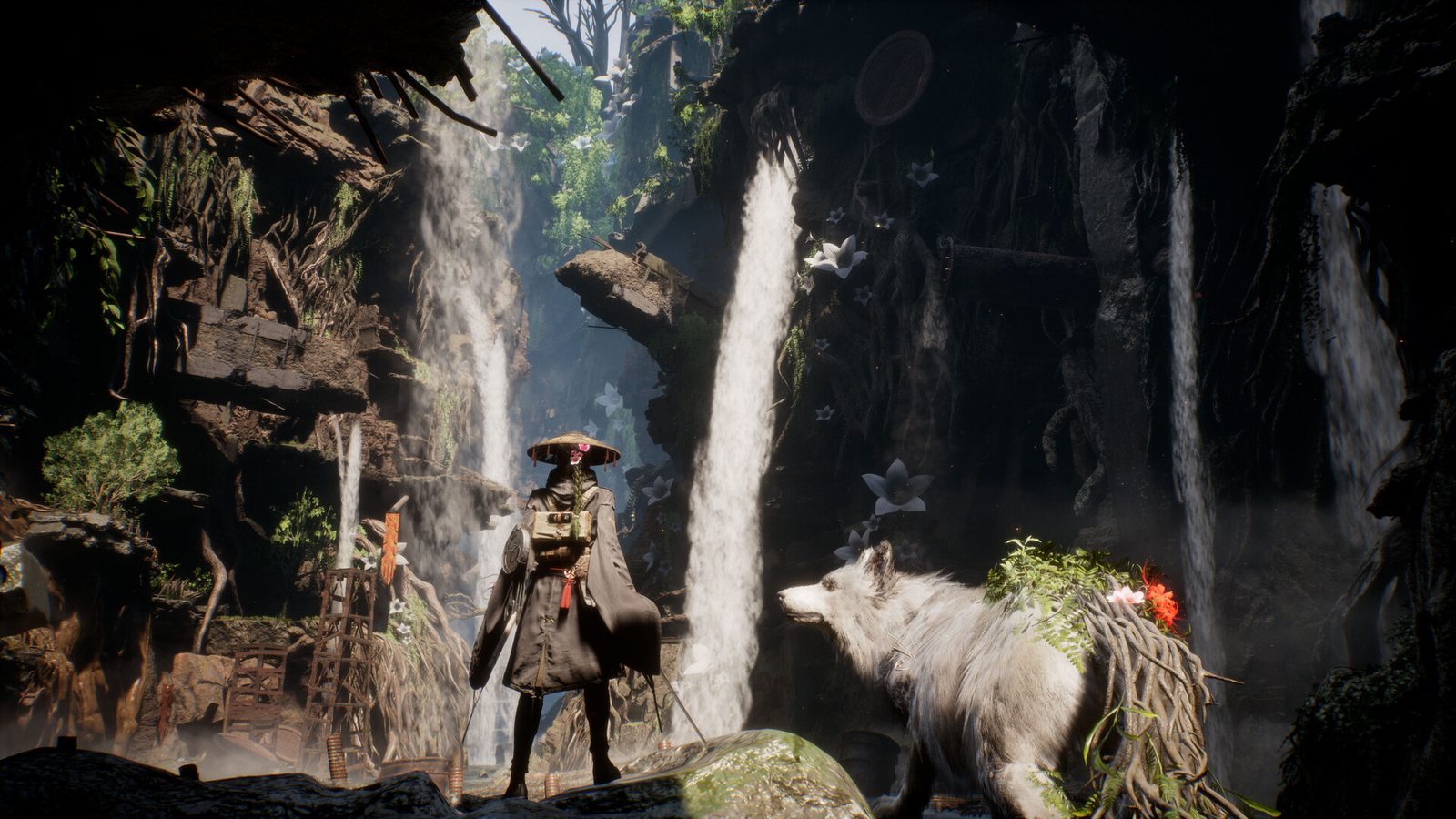
The Whole Map
Five regions, thirteen zones, running broadly west and south — the route both published region lists describe as going “from Kanto toward the old capital”.
| Region | Zones | Chapters |
|---|---|---|
| Kanto Region | Ogouchi Buffer Zone · Ancient Civilization Zone | Ch. 1–2 |
| Mountainous Region | The Great Wall Terraces · Pilgrim’s Zone · Matsukawa Zone · Fuji Frontier Zone | Ch. 3–6 |
| Drowned Region | Giant Tree Zone | Ch. 7 |
| Wasteland Region | Crater Zone · Inukami River Zone · Starfall Tower | Ch. 8–10 |
| Capital Zone | Mount Hiei Zone · The Capital · Center of the Blight | Ch. 11–13 |
Chapter-by-chapter detail is in the walkthrough.
The Place Names Are Real
Only the first region carries a real region name — the other four are descriptive (Mountainous, Drowned, Wasteland). But the landmarks along the way are real Japanese geography, and they line up in the right order:
- Kanto — the real region of eastern Japan that contains Tokyo. Where you start.
- Ogouchi — a real name in Okutama, western Tokyo. The Ogōchi Dam there was finished in 1957 and flooded the valley to create Lake Okutama, displacing 945 households. The game gives the name to its opening zone; whether that history is meant to resonate with a game about a drowned world is left to you ⚠ no source connects the two.
- Fuji Frontier Zone — Mount Fuji, roughly the midpoint of the journey west, exactly where you would pass it.
- Mount Hiei — the real mountain on the edge of Kyoto, home to the Enryaku-ji temple complex for over a thousand years. The penultimate zone.
- The Capital — Kyoto. It was Japan’s capital for more than a millennium before Tokyo took over, which is why the game calls it the old capital.
Put end to end, Emma walks the length of the historic route between Japan’s modern seat of power and its ancient one — two thousand years after both stopped mattering.
The Pokémon Question, Answered Honestly
Game Freak made Pokémon. Pokémon starts in Kanto. This starts in Kanto. It is a natural thing to notice, and the search results for it are a mess, so here is the straight version.
Both games are named after the same real place. Pokémon’s Kanto has always been a map of real Kanto — that is why Pokémon’s later regions are Johto (Kansai), Hoenn (Kyushu) and Sinnoh (Hokkaido). Beast of Reincarnation opening in Kanto isn’t a nod to Pokémon; both are pointing at the same piece of Japan. If anything, this game points at it more literally — it uses the actual name rather than an anagram.
What has not been found: any concrete easter egg. Kotaku published a piece specifically about how this game feels adjacent to Pokémon, and every comparison in it is thematic — issuing commands to Koo, the Nushi playing a role like the noble Pokémon of Legends Arceus, shared creature-design instincts. No hidden reference, no cameo, no in-joke has been documented by anyone.
Be careful what you read on this specific topic. Several pages advertise lists of “all Pokémon easter eggs” in this game; the ones we could check describe locations and items that do not exist in it. The real connection is more interesting than the invented one: Game Freak has now built two completely different games that both begin in the same corner of Japan.
Why the Route Matters to the Story
The geography isn’t decoration. Emma is walking toward The Capital because that is where the Administratorsits — the head of the organisation handing out her Nushi hunts, and the one working with the Beast to make her its next vessel. The pilgrimage west is also the walk toward the person using her.
The naming carries the same double meaning as the rest of the game’s vocabulary — Shambhala, Brahman, Nushi, Inugami. Real words with real weight, pointed at a world two millennia past its collapse. Full breakdown in the story and lore guide (heavy spoilers), or start with what the moon actually is.
Frequently Asked Questions
Is Beast of Reincarnation set in Kanto?
Yes. Both published region lists name the opening area the Kanto Region, covering the Ogouchi Buffer Zone and the Ancient Civilization Zone. Kanto is a real region of Japan — the one containing Tokyo — and the game travels west from there toward the old capital.
Is that a Pokémon reference?
Not in the sense people mean. Pokémon’s Kanto is named after the same real region, so both games start in Kanto for the same reason: it is a real place, and it is where you begin if you are travelling west across Japan. Game Freak developed both, but nothing in Beast of Reincarnation has been documented as referencing Pokémon.
Are there Pokémon easter eggs in Beast of Reincarnation?
None have been verified. Kotaku published a piece drawing comparisons between the two, but every parallel in it is thematic — commanding Koo, the Nushi resembling Legends Arceus nobles, creature design language — with no specific hidden reference. Pages listing concrete "Pokémon easter eggs" tend to be content farms inventing them.
Where is The Capital in Beast of Reincarnation?
It is the endpoint of the journey, reached through the Mount Hiei Zone. Mount Hiei is the real mountain overlooking Kyoto, and Kyoto is Japan’s old capital — which is what the game means when it describes the route as running from Kanto toward the old capital.
Is Ogouchi a real place?
Yes. Ogōchi is a real name in Okutama, western Tokyo — the Ogōchi Dam there was completed in 1957 and created Lake Okutama, displacing 945 households. The game’s Ogouchi Buffer Zone borrows the name; no source says it recreates the location.
How many regions are there?
Five, holding thirteen zones between them: Kanto, Mountainous, Drowned, Wasteland and Capital Zone. Chapters run roughly one per zone.